

By Ted Patterson, Co-founder & Director at The AI Collective + Fractional CTO and AI Operator based in the Hampton Roads
Let’s be real, Norfolk might not need another panel about the future, but it definitely needs more nights where the future actually shows up, plugs in, and starts battling with itself in the best possible way. I and some friends of mine have been watching a handful of other cities figure out how to do that, turning half-forgotten buildings and scrappy festivals into something that actually sticks, and we wanted proof Hampton Roads could pull off its own version, in its own voice, without waiting for someone else to build it for us. That’s what we set out to build with RESONATE, and it left Norfolk and the Hampton Roads with proof that this region is ready for a lot more of it.
What RESONATE was
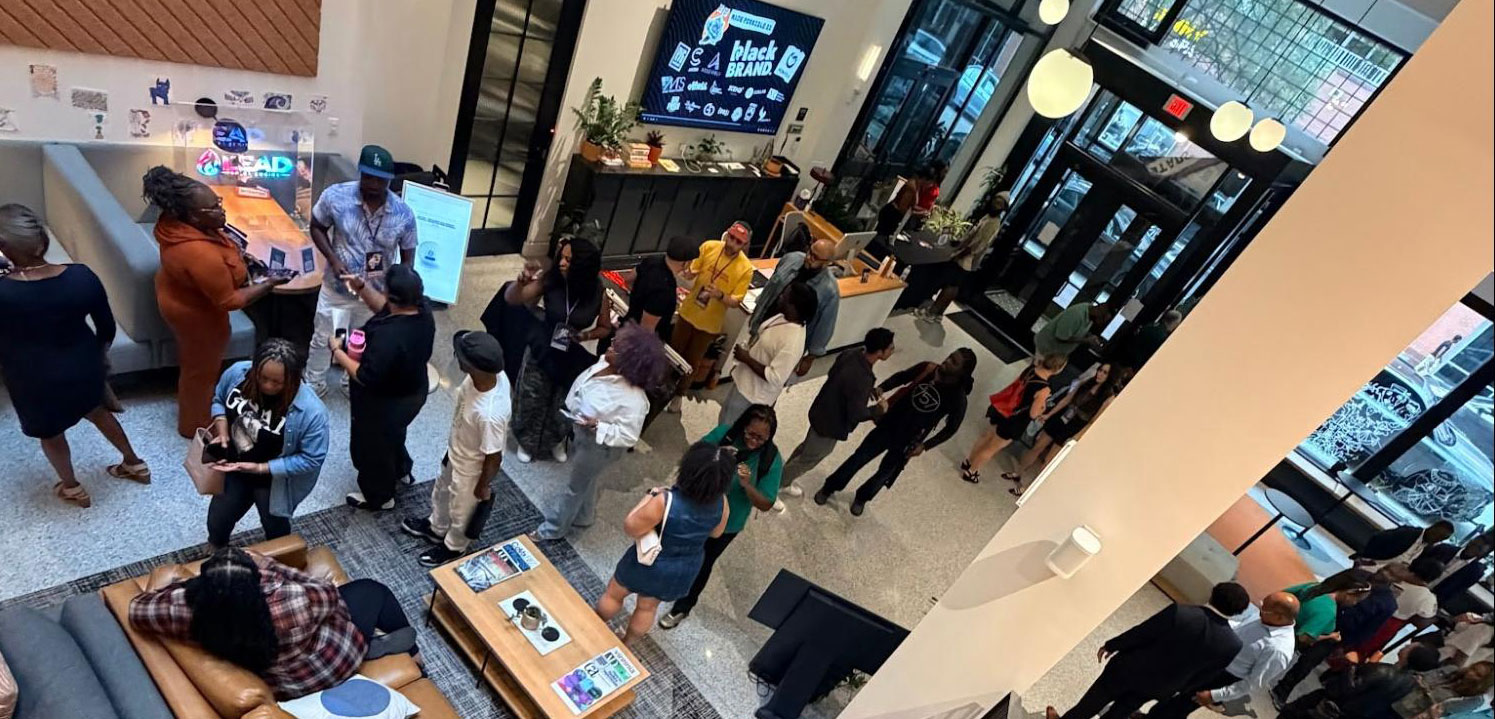
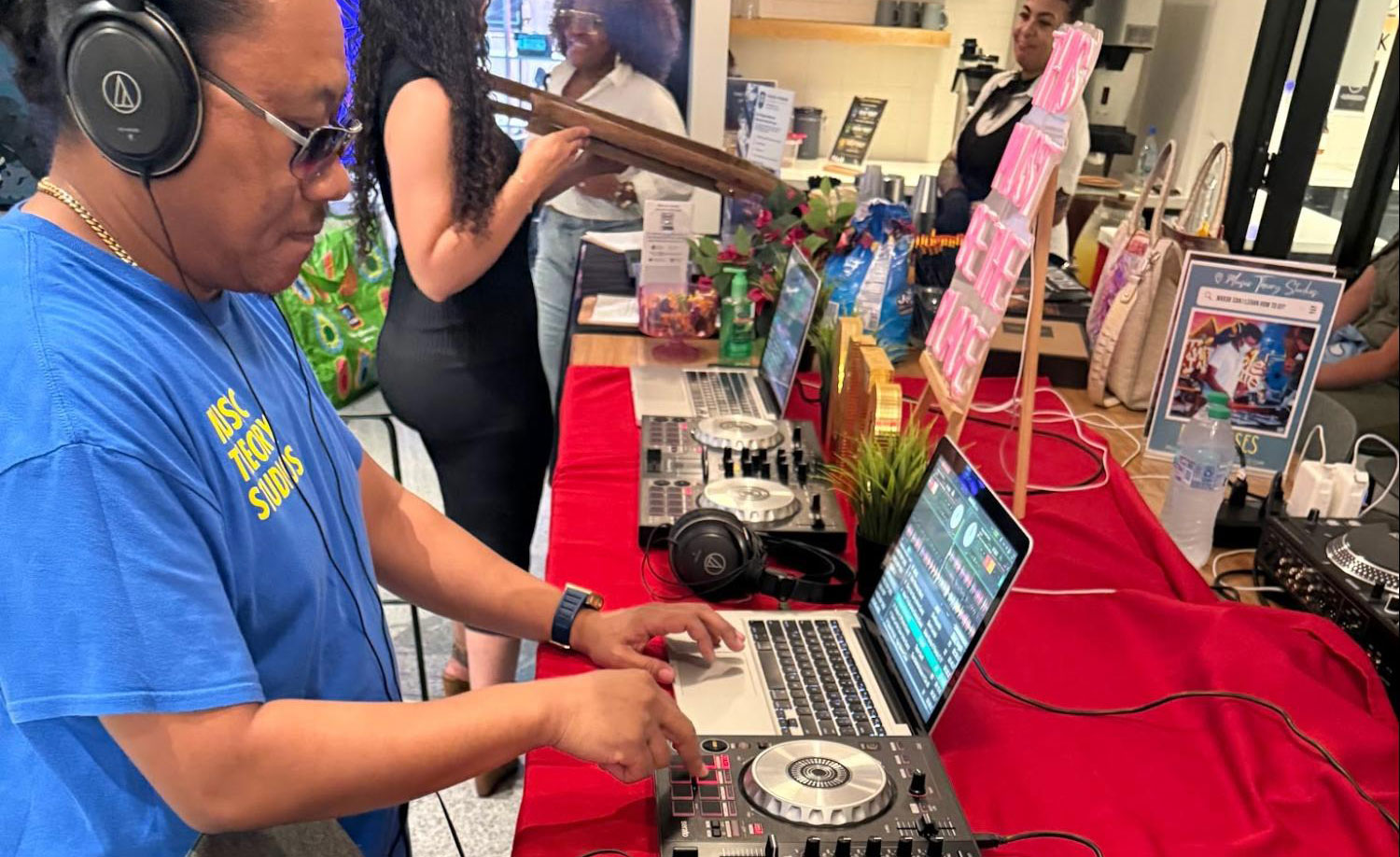
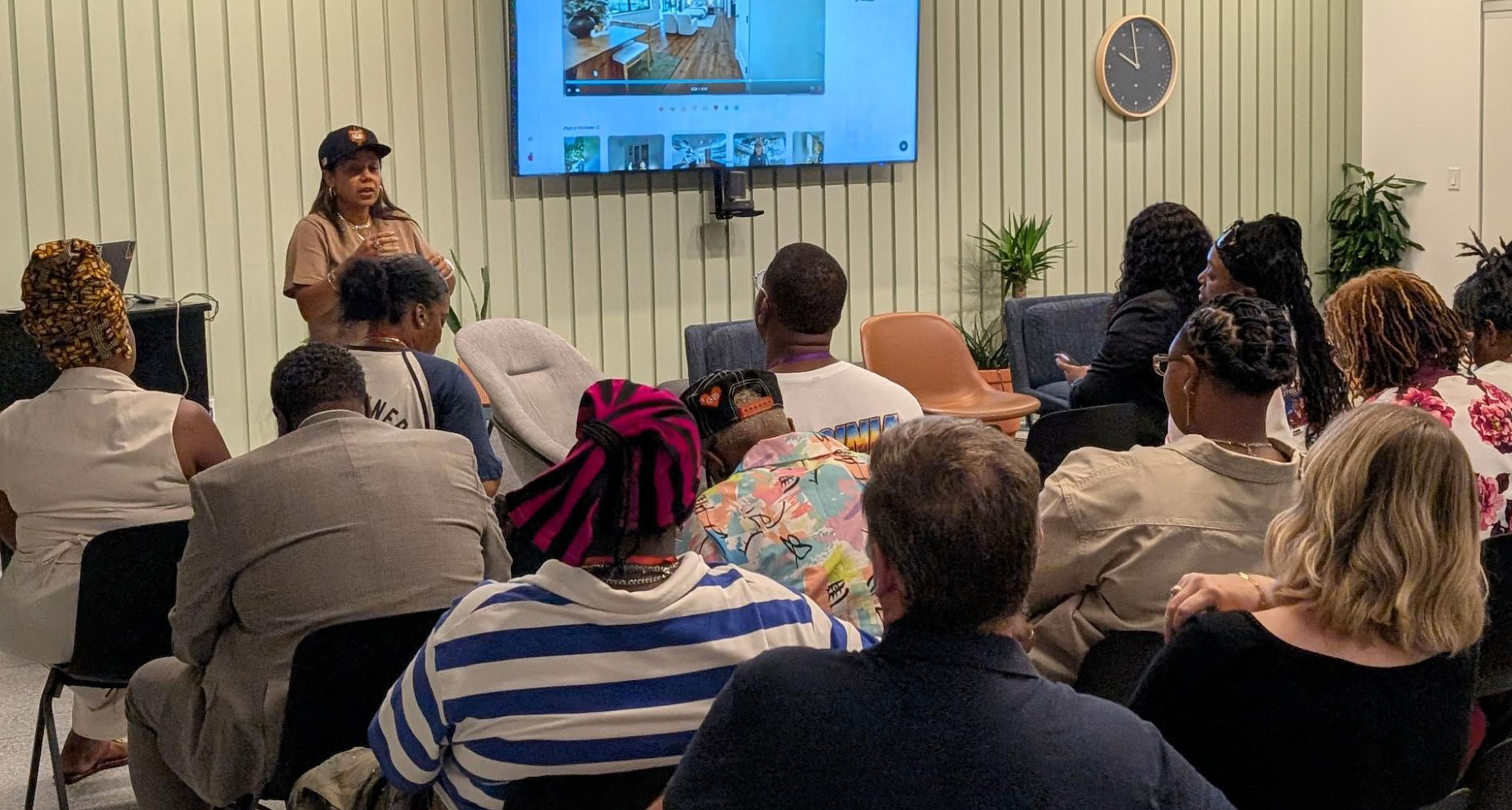
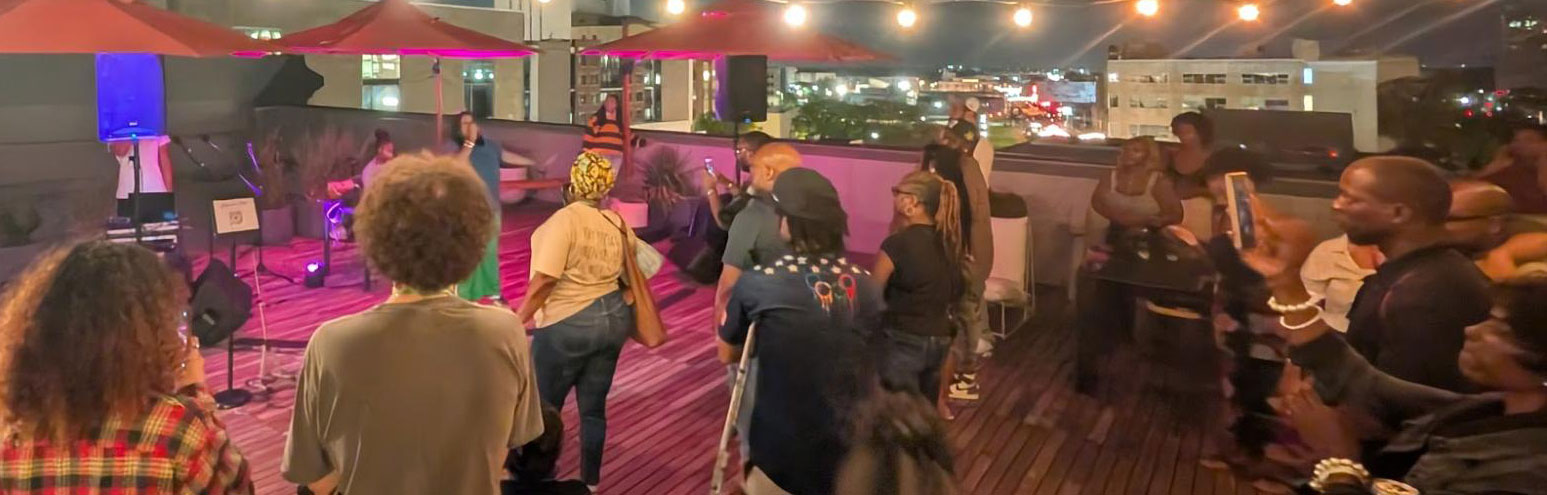
A few weeks ago, close to 200 people packed into Assembly on Granby Street. Beatmakers on one floor. IP attorneys, Grammy award winners, and regional policy makers on another. Painters working live in a corner while a DJ set bled into a legal conversation about who owns a voice once technology can copy it. That was RESONATE, an event Brian Owens and I built around one simple bet: put the music, tech, art, policy, influencer, marketing, and legal communities in the same building on the same night, instead of three separate events on three separate calendars, and something useful happens that none of them get on their own.
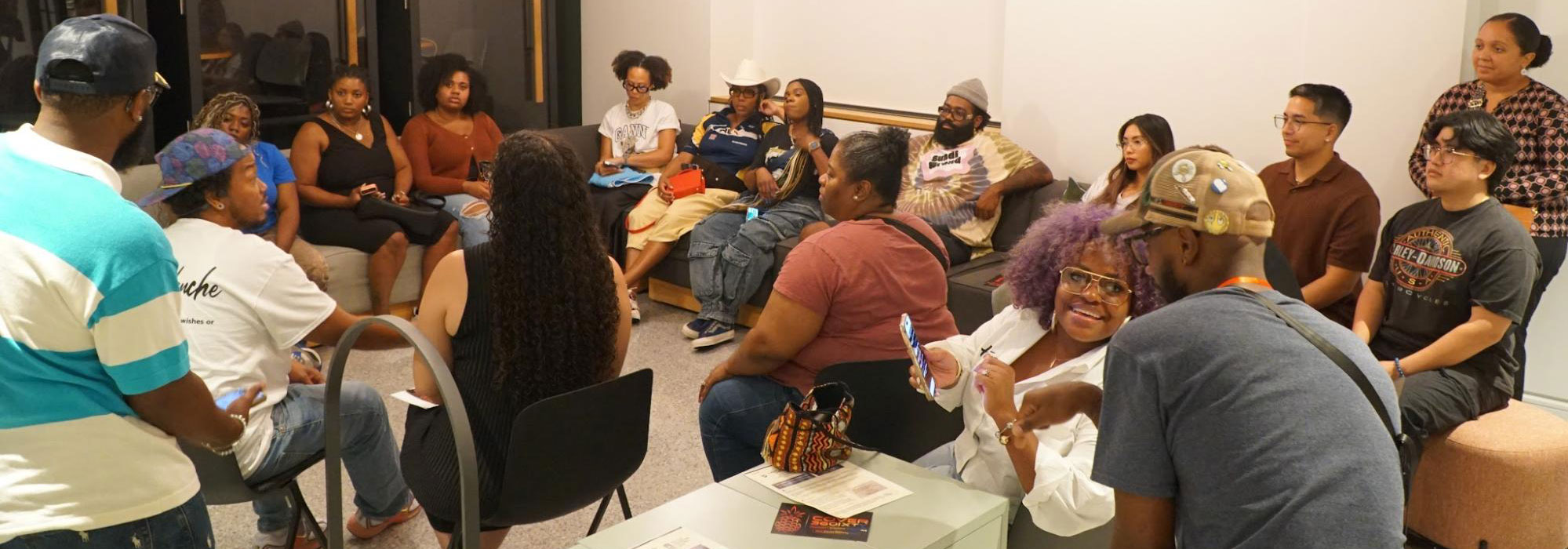
Longtime Assembly members pulled us aside more than once that night to say they’d genuinely never seen the building used like that, including one panel that ran in what used to be the building’s fur vault. And that’s kind of the whole point. Hampton Roads doesn’t need a single shiny glass campus to prove it belongs in this conversation. It has a lot of buildings that are equal parts glamorous and a little worse for wear, and the actual innovation is figuring out how to use every inch of them, old fur vault included, to make something nobody in this city has seen before. Philadelphia proved this works at serious scale with the Bok Building, a shuttered vocational high school the city nearly let rot, now packed with glassblowers, tattoo artists, and a preschool in classrooms that used to teach auto shop and bricklaying. Memphis did it with Crosstown Concourse, a shuttered Sears distribution center that reopened in 2017 as a vertical village of arts space, clinics, a school, restaurants, and apartments. Huntsville did it with Campus No. 805, a middle school that closed in 2009 and now holds craft breweries, restaurants, retail, and event space on a 13-acre campus. Charlotte did it with Camp North End, a Ford Model T plant that later built Cold War missiles and sat fenced off for decades before becoming 75 acres of studios, murals, live music, food trucks, and event space. Downtown Norfolk is already a work in progress, with real momentum behind reimagining the spaces in it, and there’s no shortage of opportunity in that pipeline for us to keep saying yes to using it differently.
Resilience means room for disagreement
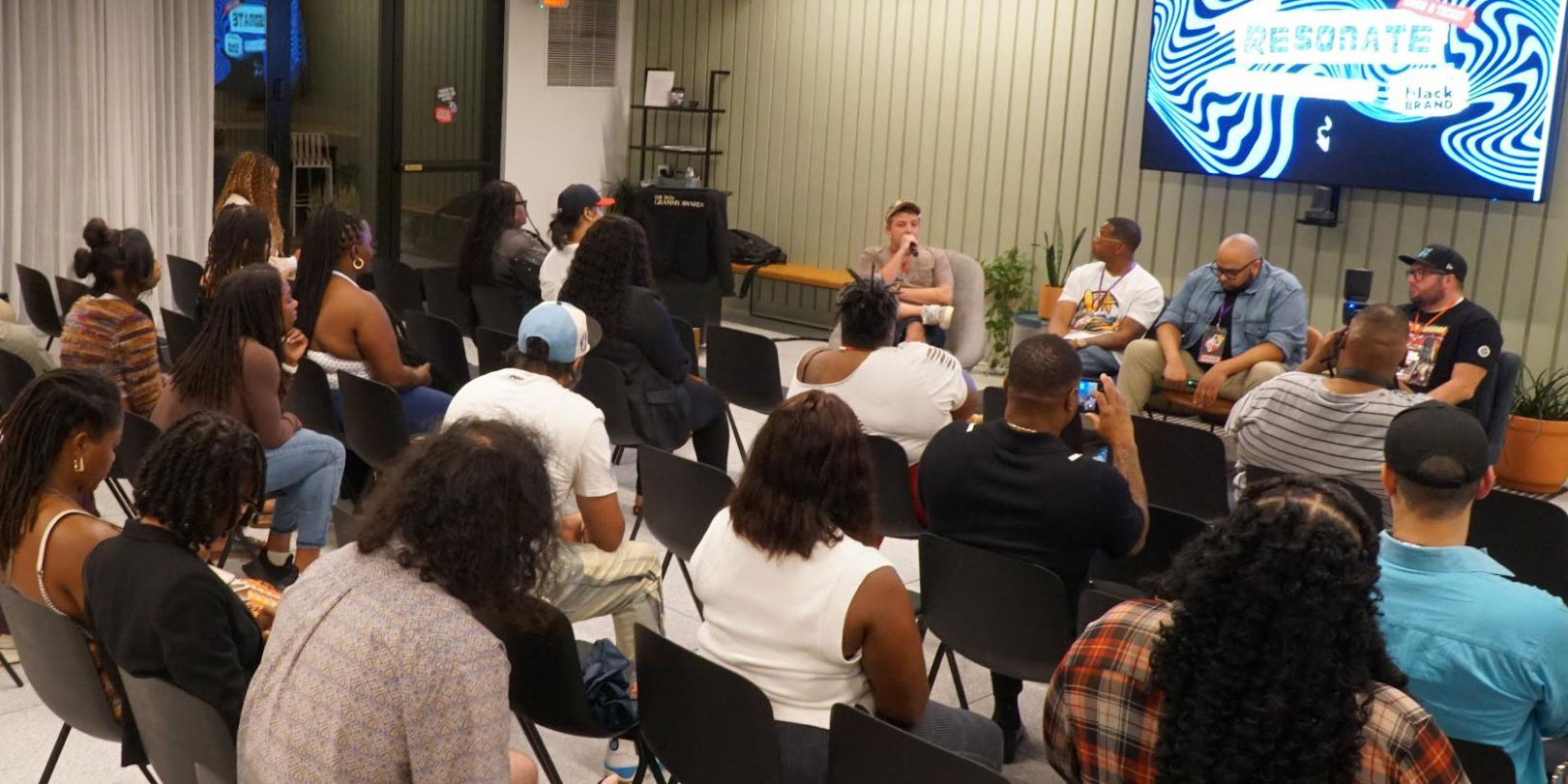
The lesson I keep coming back to is this: the innovation districts that last aren’t the ones that guess the future correctly. They’re the ones resilient enough to hold people who disagree about it in the same room and keep moving anyway. We weren’t trying to convince anyone that AI is good or bad for artists. We were trying to get a DJ, a lawyer, a video studio owner, and an entrepreneur talking to each other in real time, whether or not they agreed on where any of this is headed. Nobody has to be fully on board with the vision to earn a seat at the table. They just have to show up willing to help shape it.
We weren’t inventing this idea from scratch. RenderATL down in Atlanta has spent the past several years proving a tech conference can also be a cultural event, code by day and a Grammy winner headlining a concert by night, growing from a scrappy first year into thousands of people showing up because the culture is the draw, not just the sessions. That’s the model we wanted to pull from and make our own up here in the 757. You don’t need Silicon Valley money to do this. You need people willing to sit in a room with folks who see the world differently than they do.
It took a real team
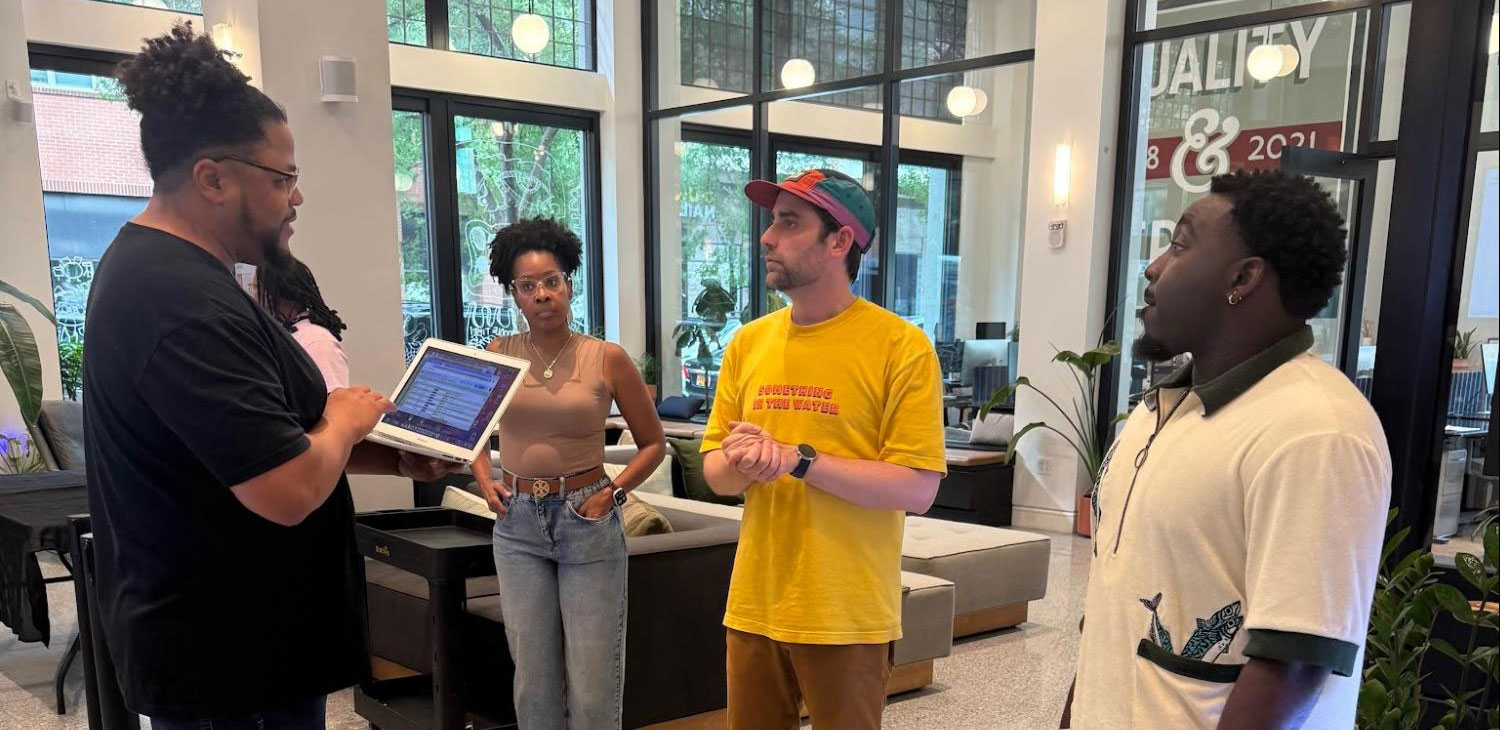
None of this happens solo. Brian Owens, who runs programs for Black BRAND, kept vendors, logistics, and partnerships moving even when plans changed mid-event. Nikki Curry, an award-winning visibility strategist with Image Brand Co, ran speaker and media relations and brought enough press pull that three outlets called afterward to apologize for missing it. Jocelyn Boyer handled dignitary and speaker outreach. Gina Lynch ran community planning and already has a purple carpet photo moment locked in for next time. George Morris Jr. and Alan Carpenter, who flew in from Knoxville, showed up big on the day of the event and put in serious work when it mattered most. Nicky Saunders, a nationally recognized AI/marketing creator, strategist, and educator, and Brix Glover, a famous fitness, weight loss, and digital content expert, both helped bring the room to life. Event support and sponsorship from organizations across the ecosystem made the night possible, including the City of Norfolk, RVG MGMT, AI Collective Hampton Roads, Assembly, Music Theory Studios, Offworld, Independent Insurance Agents of Virginia, Scend Studio, 757 Collab, Antidote Agency, Norfolk Innovation Corridor, Revolution VA, Big Phish, La Primavera Strings, 757 Makerspace, and The Digital Builders, alongside Assembly’s Changemakers cohort and working artists showing live pieces. Every one of them brought their own crew, which is the real multiplier behind an event like this. One connected person doesn’t just show up, they bring ten more.
What this means for the NIC
There were rough edges, plenty of them, and we’re already planning around what we learned. The forecast had thunderstorms parked over the city the entire week leading up to it, and somehow not one drop touched the building. We’ll take luck like that over a marketing budget any day. A first-year event with friction still gave people something they’re talking about weeks later, and that’s the metric that actually matters.
It matters even more this year, with the NEON Festival, the scrappy, homegrown celebration that’s given Norfolk’s arts district its identity for a decade, shifting this year to a series of NEON Nights. That shift is its own reminder that this kind of energy in Hampton Roads doesn’t run on one flagship event. It runs on however many of us are willing to throw something at the wall with whatever budget and space we can scrape together. RESONATE isn’t trying to replace NEON, it’s one more proof point that Norfolk doesn’t wait around for permission to build something worth showing up for.
We’re making RESONATE an annual fixture, and our first choice is to keep it rooted here in Norfolk as a signature creative and tech festival, with the NIC planning to support future editions. There’s already interest from across the seven cities and beyond, so the footprint may grow, but Norfolk is home. The version of an innovation district that actually holds up is the one resilient enough to keep the door open to people who don’t agree yet, and give them a reason to show up anyway. That’s the whole game, and it’s a good one for Norfolk to keep playing.
About the Author
Ted Patterson is a fractional CTO and AI operator based in Hampton Roads, working with companies across the country on software engineering, product design, and product management. He serves as Applied AI Advisor at ECPI University and regularly works with organizations like OpenAI to help them build community and connect with users both inside and outside their existing base. Over the last decade, he’s built and supported developer communities across the Southeast, helping careers grow and nonprofits thrive in tech, software engineering, UX research, UI design, and product management, with client work spanning bioinformatics, air purification, e-procurement, recidivism reduction, life sciences, legal tech, and HR and recruiting software. He’s co-founder and co-director of The AI Collective Hampton Roads, the largest AI community in the region and one of the largest in Virginia. Before landing in Hampton Roads, he spent years building and helping build startups across Asia, from Beijing to Seoul to Bangalore.